

Ecommerce SEO Services for Online Stores


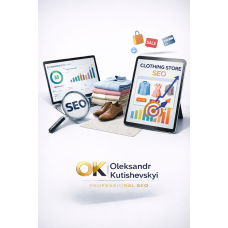
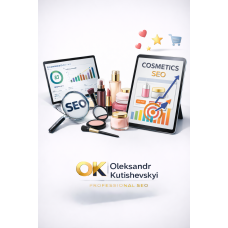


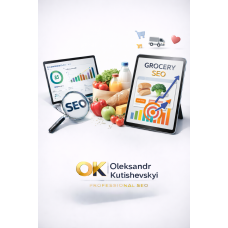
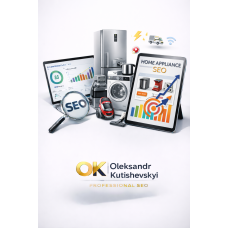



Ecommerce SEO is not just about increasing traffic. It is about attracting qualified visitors who are actively searching for products, comparing options, and ready to buy. A strong SEO strategy for an online store improves search visibility, strengthens category and product pages, and helps turn organic traffic into consistent revenue growth.
Unlike short-term paid campaigns, SEO for ecommerce websites creates long-term visibility in Google and supports scalable growth. Whether you run a store on Shopify, WooCommerce, Magento, OpenCart, or a custom platform, the goal stays the same: make the site technically sound, easy to navigate, and highly relevant for commercial search intent.
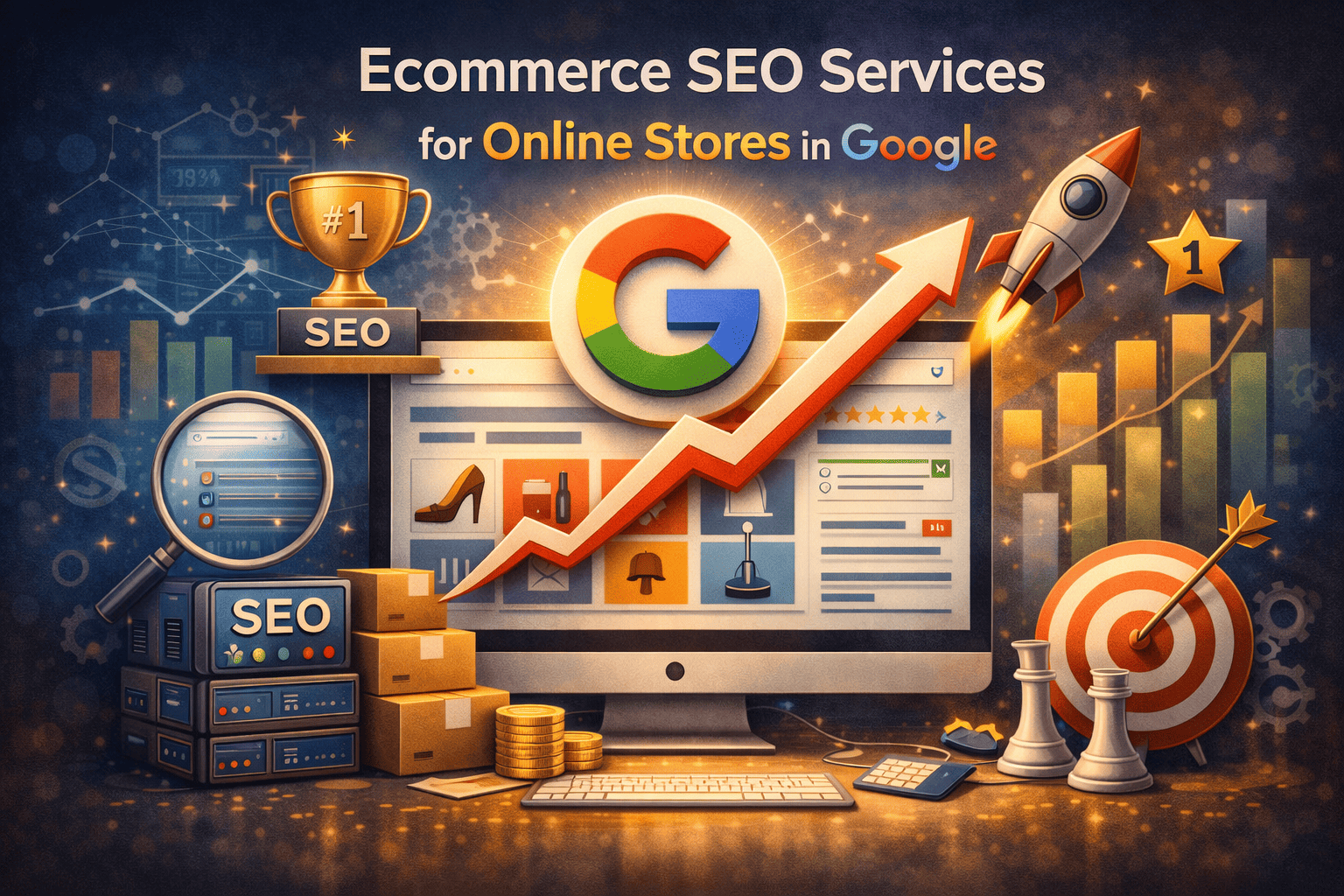
What Ecommerce SEO Services Include
A successful ecommerce SEO strategy combines technical improvements, keyword targeting, site architecture, content development, and authority building. These areas work together to improve rankings, increase product discovery, and support stronger conversion paths across the store.
Technical SEO for Ecommerce Websites
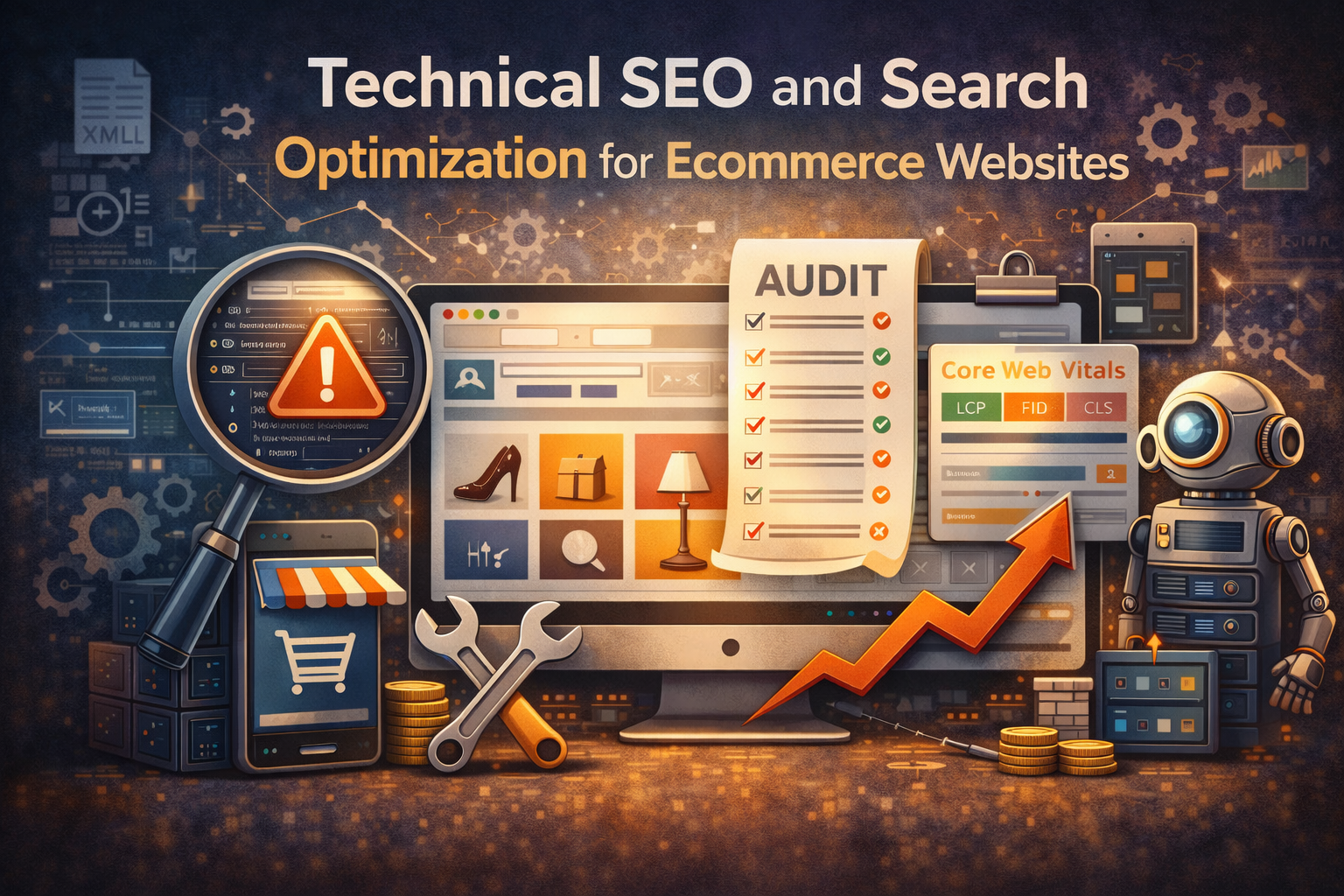
Technical SEO for ecommerce is the foundation of sustainable growth. Online stores often face issues with duplicate pages, faceted navigation, crawl waste, slow load times, thin content, broken internal links, and indexing problems. If these issues are not resolved, even a well-designed store with good products can struggle to rank.
A technical audit typically includes crawl analysis, indexation checks, canonical setup, XML sitemap review, robots directives, pagination handling, Core Web Vitals, mobile usability, structured data, and overall site performance. This process helps remove obstacles that hold back organic growth.
Google SEO for Online Stores
Google SEO for online stores is built around how users search and how search engines evaluate quality. Google looks beyond keyword usage. It measures relevance, usability, trust, page experience, and whether the content aligns with commercial intent. That is why effective online store SEO focuses on both rankings and user experience.
Technical health and search relevance determine how well an ecommerce site can scale in organic search. If category pages are poorly structured, filters generate duplicate URLs, or important pages are difficult to crawl, rankings will remain unstable no matter how competitive the products are.
That is why SEO services for ecommerce should begin with the site architecture, crawl logic, and page quality rather than surface-level changes alone.
Strategy, Prioritization, and SEO Roadmap
An effective SEO campaign needs a clear roadmap. The process usually starts with market analysis, competitor research, keyword mapping, and content planning. From there, priority pages are identified, technical fixes are scheduled, content gaps are closed, and link acquisition is aligned with commercial goals. This is what turns SEO from a checklist into a growth channel.
Full-Service Ecommerce SEO
Full-service ecommerce SEO goes beyond one-time optimization. It includes ongoing technical monitoring, category and product page improvements, content production, internal linking, performance reviews, and authority building. This approach works especially well for growing stores in competitive verticals such as fashion, beauty, electronics, furniture, auto parts, home goods, pet supplies, gifts, and niche retail.
Key Stages of SEO for an Online Store
Competitor and Market Analysis
Before scaling rankings, it is important to understand the competitive landscape. Which page types are driving traffic for competitors? How strong are their category pages? What content formats support their visibility? Which commercial queries are underserved? This analysis helps define realistic opportunities and reveals where the store can outperform the market.
Keyword Research and Search Intent Mapping
Keyword research for ecommerce SEO is more than building a large list of search terms. It involves clustering keywords by intent, assigning them to the right page types, and identifying where commercial, informational, and long-tail queries fit into the site structure. Strong keyword mapping improves topical coverage and helps each page target the right audience.
Category Page and Product Page Optimization
Category page SEO and product page optimization are critical for ecommerce performance. Category pages need strong titles, clean structure, supporting content, filters that do not damage crawlability, and internal links that reinforce relevance. Product pages need unique descriptions, helpful specifications, trust signals, FAQs, media, and content that supports both rankings and conversions.
Internal Linking and Site Structure
Strong internal linking helps search engines understand which pages matter most and how categories, subcategories, product pages, buying guides, and brand pages connect. For larger stores, site architecture often becomes a major ranking factor. Clean navigation and structured internal links improve both discoverability and user flow.
Link Building for Ecommerce
Link building for ecommerce remains an important part of long-term SEO growth. High-quality backlinks improve domain authority and strengthen key landing pages, especially in competitive niches. The best results come from digital PR, outreach, editorial placements, and industry-relevant mentions that support the store’s overall trust profile.
How to Rank an Ecommerce Website Higher in Google
Higher rankings are the result of aligned signals: technical quality, search intent match, page usefulness, internal authority flow, and external trust. When these elements work together, an online store can increase not only visibility but also the revenue potential of its most valuable pages.
That is why ecommerce SEO services should always be tied to business outcomes rather than rankings alone.
Optimizing for Google’s Quality Signals
Google evaluates ecommerce pages based on many factors: relevance, content quality, page experience, speed, mobile usability, trust, structured data, and user satisfaction. Stores that invest in technical quality and content depth are better positioned to win competitive rankings over time.
Ranking for Commercial Keywords
To rank for high-intent terms, landing pages must clearly match what the user expects. That includes product selection, pricing clarity, inventory visibility, filtering options, shipping information, return policies, and persuasive but useful content. High-performing ecommerce pages reduce friction and make the next step obvious.
Content Strategy and Topical Clustering
Content in ecommerce is not limited to category copy. It also includes buying guides, comparison pages, FAQs, brand content, educational resources, and supporting blog articles. A strong content strategy helps the store rank for broader search journeys, capture long-tail traffic, and support category and product page authority.
Why Work With an Ecommerce SEO Specialist
What an Ecommerce SEO Specialist Actually Does
An ecommerce SEO specialist is responsible for connecting technical SEO, keyword targeting, content direction, site structure, and performance analysis into one strategy. The role is not limited to rankings. It is about identifying what holds growth back, prioritizing the highest-impact actions, and helping the business make smarter organic search decisions.
Custom SEO Strategy for Your Store
No two online stores need the exact same SEO plan. A fashion retailer, an electronics store, a home decor shop, and a specialty B2B catalog all require different page structures, content approaches, and growth priorities. A custom strategy makes sure SEO aligns with the business model, product catalog, competitive landscape, and revenue goals.
Performance-Focused SEO Services
Performance-focused SEO services are measured by visibility growth, qualified traffic, improved rankings for priority keyword clusters, stronger indexation, and better conversion opportunities. The value of SEO is not in activity alone. It is in whether the work supports real business growth.
Ecommerce SEO Pricing and Cost
How Much Does Ecommerce SEO Cost?
Ecommerce SEO pricing depends on the size of the store, technical condition, level of competition, number of priority categories, and the scope of ongoing work. Some businesses need a technical cleanup and on-page optimization. Others need full-service SEO with content, link building, and strategic consulting.
| Service Level | Typical Scope | Best Fit |
|---|---|---|
| Foundational SEO | Technical audit, indexing improvements, basic on-page fixes, core structural recommendations | New or smaller ecommerce websites |
| Growth SEO | Keyword targeting, category page optimization, content planning, internal linking, performance tracking | Established online stores ready to scale |
| Full-Service Ecommerce SEO | Technical SEO, content production, authority building, ongoing consulting, strategic growth management | Competitive stores with aggressive growth goals |
If a business asks how much ecommerce SEO costs per month, the right answer depends on complexity and growth expectations. Lower-cost SEO may cover only foundational tasks. A more complete campaign is usually necessary when the goal is to expand rankings across multiple revenue-driving categories and improve long-term organic performance.
When to Start SEO for an Online Store
A New Store With No Organic Traffic
If the store has recently launched, SEO should begin as early as possible. The earlier technical structure, keyword targeting, and category architecture are set up correctly, the easier it becomes to build visibility without needing to fix major issues later.
Ranking Losses or Organic Traffic Decline
When rankings start to drop, it often points to technical problems, weak content, structural limitations, stronger competitors, or indexing issues. Early intervention usually makes recovery faster and less expensive.
Traffic Is There, But Conversions Are Weak
Some stores already attract visitors but fail to convert them efficiently. In these cases, the issue may be weak landing pages, unclear product positioning, poor internal paths, or a mismatch between search intent and page experience. SEO can help improve not just traffic volume but traffic quality and conversion readiness.
What to Look At Before Choosing an Ecommerce SEO Strategy
The best SEO plan depends on the current state of the store, the competitive environment, and the business model.
- the technical condition of the site;
- the size and structure of the catalog;
- the competitiveness of the niche;
- the quality of category and product pages;
- existing indexation and crawlability issues;
- the level of content and brand authority already in place.
Ecommerce SEO services help online stores build a stronger organic acquisition channel, reduce dependence on paid traffic, and create a more durable path to growth. For businesses that want to improve rankings, strengthen core landing pages, and grow revenue from search, a structured SEO strategy becomes a practical long-term investment rather than a short-term experiment.
If your store needs a clear roadmap, better search visibility, and expert guidance on where to focus first, exploring a tailored ecommerce SEO approach is the right next step. The best results usually come from matching technical improvements, content strategy, and commercial priorities to the actual structure and goals of the business.